

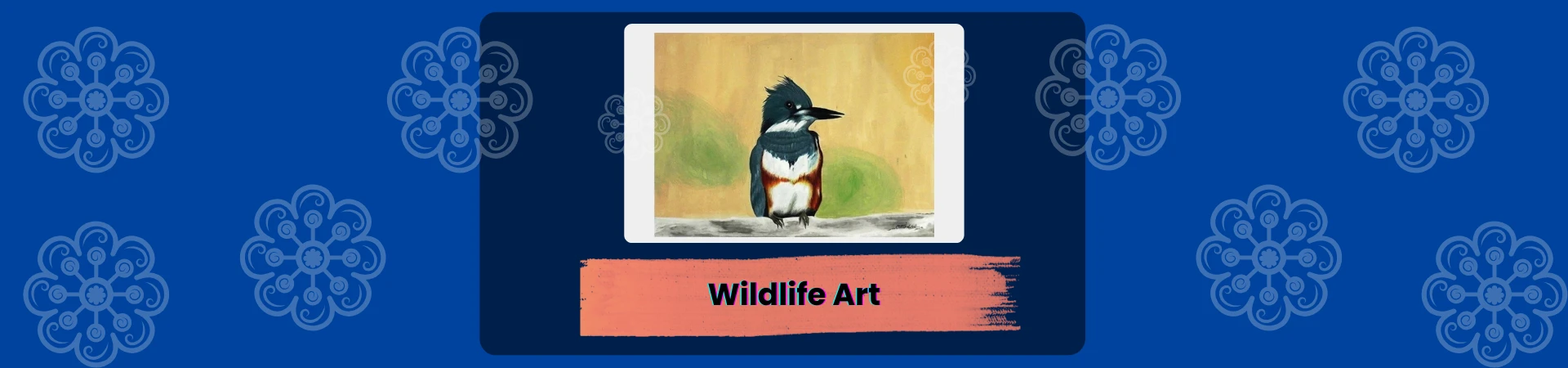
Discover the Beauty of Wildlife Art Painting: A Creative Journey
Art is one of those means which was always a strong tool to depict the emotions, the culture, as well as the close connection between the human and the nature. Wildlife Art is one of the numerous artistic types which glorify this relationship since it is capable of capturing the pure beauty, beauty, and souls of animals in their natural habitats.
Wildlife art painting, with its close attention to tiger portraits, to stylized tribal views of birds and woods, takes us on an artistic journey to the very core of the wild.
Over the past years, the artworks with wildlife themes have become highly popular among arts and collections and those who like to decorate their houses. We will take a closer look into what makes wildlife art so special, its origins in Folk Art traditions and the reason why wildlife paintings are still fascinating even in the generations.
What is Wildlife Art?
Wildlife Art is the type of art that represents the image of the animals, birds, insects and the natural landscapes related to the wildlife. Such art pieces may be very realistic paintings as well as abstract, symbolic, or folk interpretations.
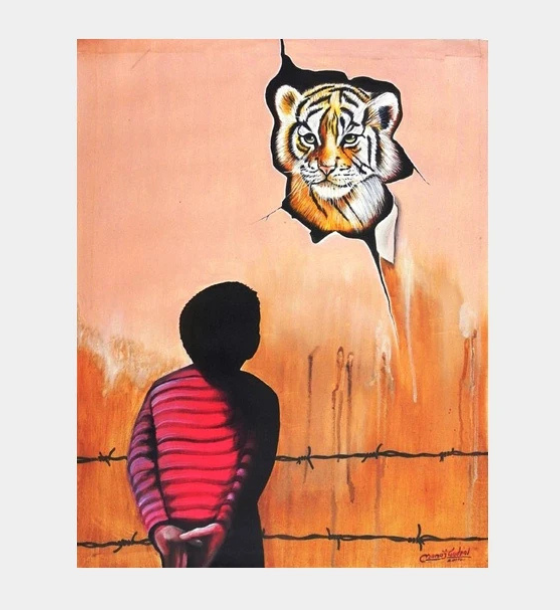
Wildlife art by Manoj Godpal (image source: Gallery Unique Art)
Wildlife painting is not simply a visual phenomenon, but it can contain other elements like conservation, nature respect, and animal communication. Wildlife has been a topic with many artists trying to use the topic to illustrate environmental concern or to glorify biodiversity.
Interesting Fact: Wildlife art has existed thousands of years ago and is already observed in the prehistoric cave paintings, such as the one in Bhimbetka (India), as well as the Lascaux (France).
Emergence of Wildlife Painting
The emergence of wildlife painting can be traced back to the prehistoric era and is embedded in the ancient notions of human relationships with nature. The Bhimbetka rock shelters in Madhya Pradesh, India can be regarded as one of the best examples of such a connection. Thousands of years old, the cave paintings clearly show bison, deer, elephants, and wild boar, which is an indication on how early man viewed and valued wildlife as an important aspect of his life.
With the development of civilizations, the art of wildlife painting passed the stage of survival-related narration and shifted to the symbolic and aesthetic interpretation. The folk art of India, such as Gond, Bhil and Warli folk art, used to carry this legacy and depict animals as divine and guardians of nature. On the same note, ancient Egyptian, Chinese and subsequent European paintings depicted animals in royal hunts, mythology and also in studies of nature across the globe.
The 18th and 19th centuries were a decade that saw the emergence of scientific exploration and illustration of the natural nature, introducing realism and exactness to wildlife art painting. Wildlife paintings have become an important tool in contemporary times to raise awareness, conservation and coexistence especially to the environment. Wildlife art today does not just show the beauty of animals but also reminds us that there is a need to conserve the natural world.
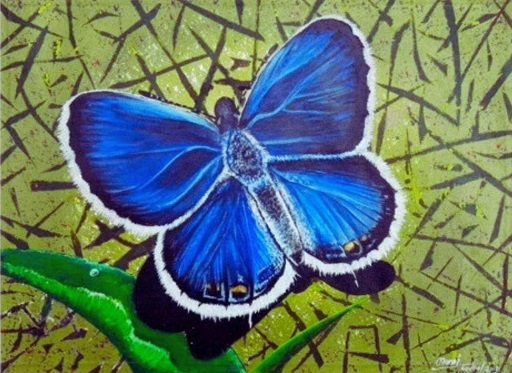
Wildlife art by Manoj Godpal (image source: Gallery Unique Art)
The Artistic Nature of Wild-life Art Painting
Painting of wildlife art enables the artist to convey the observation and imagination. There are those artists who are interested in anatomical correctness and the others are interested in emotions, movement, and symbolism.
Key elements
● Natural color palettes were inspired by forests, deserts and grasslands.
● Very elaborated textures such as fur, feathers, and scales.
● Moving figures depicting animals.
● Emotional narration using eyes and body language.
● Painted with acrylics, water colors, oils or mixed media, wildlife paintings may leave one with a feeling of relaxation, amazement and admiration of the nature.
Wildlife Art and Folk art relationship
Folk Art is also an important factor in wildlife description in India and most of the world. The use of animals as the main motifs in traditional art forms has been practiced in tribal and rural communities.
Indian folk styles such as Gond Art, Warli Painting, Bhil Art, Sohrai Art incidentally use wildlife with beautiful patterns, dots, lines and symbolic colors. Folk wildlife paintings are more expressive and narrative as opposed to realistic wildlife art.
Interesting Fact: The Gond art animals have been thought to communicate ancestral tales and spiritual values, and therefore wildlife art is strongly cultural and not merely a form of decoration.
Development of Wildlife Paintings through the ages
The development of wild animals painting has been in terms of time, methods and artistic approach. Previously, the art of wildlife was done primarily to be used in documentation and narration. Nowadays, it is used in various ways:
● Artistic expression
● Interior décor
● Educational tools
● Environmental awareness
The contemporary wildlife artists tend to combine the primitive folk style with the modern technique to produce their own distinctive and aesthetically appealing paintings that can attract the attention of people around the world.
The reason why Wildlife Art is becoming popular today
The interest of the wildlife art painting is directly connected to the changing lifestyles and the rise of the awareness of the nature preservation.
The factors that have led to its increased popularity:
● There is a demand of nature-based decorations where people want to feel relaxed and optimistic.
● Increasing popularity of homemade and folk art.
● Heightened interest in the sustainability and environmentally-friendly lifestyle.
● Modern interiors are made up of wildlife paintings.
Wildlife Art is also an indicator of the delicate equilibrium between man and nature, and thus, it has emotional appeal to most customers.
Wildlife Art as a Conversation to Consciousness
Wildlife paintings are popular among various artists and organizations which create awareness on endangered species and the loss of habitat. Wildlife art provides a voice to the animals which are not in a position to speak.
Interesting Fact: WWF says that visual art has been an effective tool in getting people emotionally involved in conservation efforts regarding wildlife.
Wildlife art galleries and wildlife NGOs have the tendency to team up in order to fund and create awareness by showcasing wildlife art.
Selecting the Perfect Wildlife Art Painting for your Space
Through wildlife art in your house or work place, you will have an idea of the message and mood you wish to express.
Tips to remember while selecting one:
● Big animal portraits are also effective statement pieces.
● The work of art with a bird and forest theme builds a relaxing effect.
● Folk wildlife art provides a feeling of warmth and culture.
● The paintings of wildlife are more neutral and are fitting in modern interior.
Either minimalistic or lively, the art painting of wildlife gives any space a touch of life and movement.
Emotional depth is one of the qualities of Wildlife Art. One painting of tiger, elephant, or bird may be an illustration of power, freedom, peace, or vulnerability.
Wildlife paintings can especially assist the spectators:
● Feel closer to nature
● Be in a relaxed state of mind.
● Consider green consciousness.
It is this emotional association that renders wildlife art eternal and universally desirable.
FAQ
1. What is wildlife art
Wildlife Art refers to an art form that advocates the beauty of animals, birds and natural environments, their behavior and association to the natural environment.
2. What is the difference between nature art and wildlife art painting?
Though the focus of nature art can be trimmed down to landscapes, plants and scenery, wildlife art painting can be seen to have a greater emphasis on animals and wildlife subjects.
3. Is Folk art considered wildlife art?
Indeed, wildlife art traditions feature many Folk Art forms that use animals and birds as the main motifs.
4. What are the mediums that are usually used in wildlife paintings?
Folk art has the ability to use acrylics, water colors, oils, ink, mixed media, and natural pigments to create wildlife paintings.
5. What is the rationale behind buying wildlife art as a decoration?
Wildlife art brings out warmth, character, and the natural touch to the interior and also expresses a feeling of appreciation to nature and innovativeness.
Related Blog
Explore the Rich Heritage of Indian Folk Art
Feb 26, 2025 by artgallery
Folk Art